AI readiness in 2026: infrastructure gaps leaders miss
Owen McKee joined MIT Sloan, Unwrap and Absolute Web to argue the missing piece is the customer.
Gladly's panel asked why so much AI work stalls before it ever reaches a customer. Very little of the discussion was about models. Most of it was about plumbing: data spread across systems that cannot pass context to each other, and operating models nobody redesigned when the automation arrived.
Owen McKee represented Simplesat, on a panel led by MIT Sloan senior lecturer Paul Cheek, alongside Christian Eberle of Gladly, Georgiy Slobodenyuk of Absolute Web, and Ryan Millner of Unwrap.
Gladly named signal blindness as one of four gaps that quietly decide whether AI succeeds, and that is the one Owen came for. A support team can ship automation, watch handle time fall, and still not know whether the customer got what they needed. Operational metrics move either way, which makes them a weak warning system for automation that is failing politely.
The signal is usually already there. Customers will say how an interaction went if someone asks while the answer still matters. Simplesat collects CSAT, NPS, and 5-star responses inside the helpdesk, keeps each one attached to the conversation that produced it, and sends a low score to the person who can still act on it. That makes readiness a question about more than architecture: whether the customer's verdict reaches anyone while it is still worth something.
The full conversation is on demand. Watch it on Gladly's site
Speakers

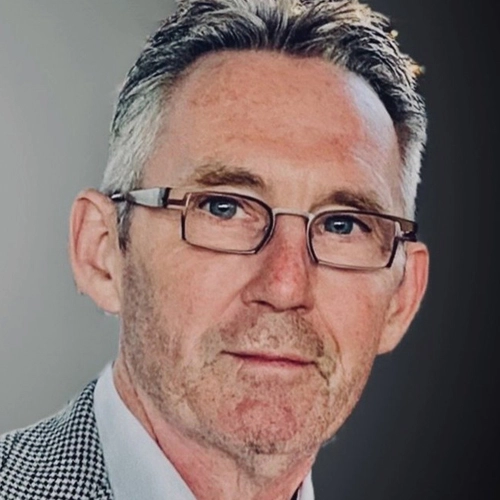
As Sales Director at Simplesat, Owen McKee brings extensive experience in technology solutions sales leadership and team development. He has a proven track record of transforming organizations, driving cultural change, and delivering immediate financial results.